Crown Reduction in Notting Hill
If you are looking for crown reduction in Notting Hill, you are probably dealing with a tree that has outgrown its space, started affecting light, or is beginning to feel too heavy for a private garden, courtyard, or shared commercial site. In an area like Notting Hill, where mature trees, townhouse gardens, mews properties, communal landscapes, and business premises often sit close together, a carefully planned crown reduction can make a big difference. It can help a tree sit more comfortably within its surroundings while keeping the shape natural and the tree healthy.
Crown reduction is not simply about making a tree “smaller.” Done properly, it is a skilled pruning process that reduces the overall size of the crown by shortening selected branches back to suitable growth points. The goal is to reduce weight, manage spread, improve light, and support the long-term condition of the tree without leaving it looking harsh or overcut. For local property owners, landlords, managing agents, and businesses, it is often one of the most practical tree surgery services available.
In Notting Hill, trees can face very specific pressures: limited access from narrow streets and mews, adjacent buildings, restricted garden sizes, parked vehicles, basement light wells, and the need to balance privacy with daylight. That is why choosing a local team for tree crown reduction matters. A local arboricultural approach takes the property layout, tree species, surrounding structures, and practical access issues into account from the start.
What crown reduction actually involves
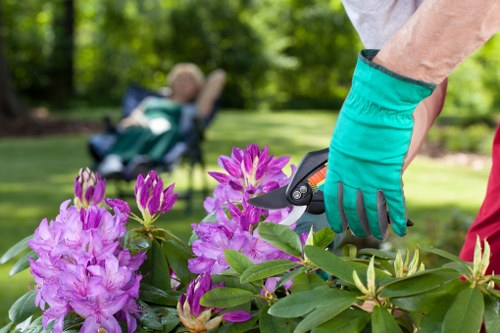
Crown reduction is a form of tree pruning used to decrease the height and/or spread of a tree’s canopy. A professional arborist removes or shortens branches to suitable lateral limbs so the tree ends up with a smaller, tidier, and more balanced crown. It is a selective process, not a rough cut. The best results are subtle: the tree should still look like itself, just more proportionate to the site.
This work is often requested for trees that are becoming too dominant in a garden, leaning over a building, shading solar access, interfering with neighbouring boundaries, or placing excessive strain on limbs during windy weather. In urban and residential settings, crown reduction can be a sensible way to retain a mature tree while addressing practical concerns. It can be a preservation-minded solution where removal would be unnecessary or undesirable.
For customers in Notting Hill, the service is especially useful because many properties value mature greenery but also need a manageable footprint. A well-executed reduction can improve usability of a garden, reduce overhang into neighbouring space, and help a tree fit a period property or a compact courtyard more comfortably. That balance of appearance, function, and tree health is what makes proper arboricultural work worthwhile.
How it differs from topping or heavy cutting
It is important to distinguish crown reduction from topping. Topping is a poor-practice approach that cuts branches indiscriminately, leaving stubs and often causing stress, decay, and weak regrowth. Crown reduction, by contrast, is controlled and deliberate. The aim is to shorten branches at appropriate points, maintain a natural outline, and avoid unnecessary trauma.
Why Notting Hill properties often need crown reduction
Notting Hill includes a mix of elegant terraced homes, mansion blocks, mews houses, communal gardens, commercial premises, and mixed-use buildings. Many of these properties have trees that were planted when space demands were different, or trees that have matured into larger specimens than originally expected. Over time, canopy spread can start to interfere with windows, roofs, gutters, balconies, and shared access routes.
Another common issue is light. Dense crowns can cast deep shade into gardens and lower floors, which is a frequent concern in smaller urban plots. Crown reduction can help bring more daylight into living areas and outdoor spaces without forcing a complete loss of tree cover. For many residents, this is the difference between keeping a valuable tree and considering more drastic action.
Local conditions also matter. In busy streets, there may be limited room for ladders, vehicles, or equipment. In mews and side roads, access can be narrow and parking can be difficult. That means tree work needs planning, time management, and a team that understands how to carry out operations with minimal disruption. Local experience is not a luxury here; it is a practical advantage.
Commercial customers in the area may also need crown reduction for frontage trees, courtyard planting, or shared green spaces. Trees around restaurants, offices, retail units, schools, and managed developments can affect visibility, pedestrian clearance, and maintenance schedules. A good pruning plan can help maintain a professional appearance while keeping the site safe and presentable.
Typical reasons people enquire
- A tree is blocking too much natural light.
- Branches are encroaching on a neighbour’s property.
- The canopy has become too heavy or unbalanced.
- Storm damage has left the crown uneven.
- Branches are close to the roof, chimney, or guttering.
- A tree needs to be kept in proportion with a small garden.
- Commercial frontage needs to stay tidy and accessible.
Benefits of professional crown reduction
There are several reasons customers choose professional crown reduction rather than leaving a tree to develop unchecked. The most obvious is size management, but the benefits go beyond simple appearance. A properly reduced crown can improve light levels, reduce the chance of branches moving excessively in wind, and lessen the load on weaker limbs. This can make the tree more stable and the surrounding area more usable.
It can also help with safety. If a tree is overextending toward a structure, a roadway, a shared pathway, or a neighbour’s roof, reduction may lower the risk of contact during strong weather. In locations where branches have grown over a garden room, conservatory, or extension, a controlled reduction can create better separation while keeping the tree in place. For many clients, that makes crown reduction a sensible middle ground between doing nothing and removing the tree altogether.
There are visual benefits too. A skilled arborist can improve the tree’s symmetry and preserve a natural shape. This matters in Notting Hill, where visual appeal is often important to homeowners, landlords, and property managers alike. A well-kept tree can complement heritage façades, modern refurbishments, and carefully designed communal spaces.
Finally, there is the issue of long-term tree management. Regular, thoughtful pruning is often easier and better for the tree than allowing it to become overgrown and then making drastic cuts later. Keeping a tree within a manageable size through planned maintenance can save time, stress, and more disruptive work in the future.
What a good reduction should achieve
When completed properly, the tree should:
- retain a natural form;
- look balanced rather than heavily cut back;
- have reduced weight and spread;
- fit the site more comfortably;
- continue to support healthy regrowth.
What is included in a crown reduction service
A professional crown reduction service usually begins with an assessment of the tree, the surrounding property, and the objective of the work. Every tree is different, so the reduction plan should be tailored to the species, age, form, condition, and position of the tree. A local team will also consider whether the tree is in a front garden, rear courtyard, communal area, or commercial plot, as each setting brings different access and safety requirements.
Most customers want clarity on what they are actually paying for. A good service should include a site review, a discussion of the intended result, safe pruning methods, branch removal, and tidy clearing of the work area afterwards. In some cases, additional measures may be needed depending on the tree’s size or location, such as careful sectional dismantling of branches, traffic awareness, or extra protection for nearby surfaces and planting.
It is worth remembering that a crown reduction is not a one-size-fits-all task. The amount of reduction that is appropriate depends on the tree and the reason for the work. A sensitive reduction may be relatively light, while other situations may require a more noticeable decrease in spread or height. The key is to make the tree more manageable without compromising its health or appearance.
Common service elements
- Initial inspection and discussion of the desired outcome
- Assessment of tree condition and branch structure
- Selective pruning back to suitable growth points
- Removal of cut branches and site clear-up
- Advice on whether future maintenance may be beneficial
Residential and commercial needs
For residential customers, the main priority is often privacy, light, and the relationship between a tree and the home. For commercial customers, there may be additional concerns such as access, kerb appeal, staff safety, customer movement, and keeping the site neat. A local tree surgery team should be able to adapt the work to either setting without unnecessary disruption.
How the service works
Most customers prefer a clear process, especially when work affects a valuable mature tree or shared boundary. The service generally starts with an enquiry and an assessment of the location. This can be followed by a discussion of the tree’s condition, the customer’s concerns, and the desired end result. From there, the work can be planned in a way that suits the property and the practical constraints of the street or courtyard.
On the day, the team will usually arrive with the right equipment for the site and begin by making the work area safe. Depending on the size and position of the tree, branches may be removed in stages to keep everything controlled. In tighter Notting Hill spaces, this careful approach is especially important because there may be nearby vehicles, fences, paving, glass, planting, or neighbouring property to protect.
After the pruning is completed, the site should be cleared of arisings, and the customer should be able to see the tree’s new size and shape clearly. If there are questions about future maintenance, timing, or how the tree is likely to respond, this is a good time to discuss them. A sensible crown reduction service should leave you with a more manageable tree and a clear understanding of what happens next.
What customers often appreciate
- Clear explanation of the proposed work.
- A careful approach to surrounding property and planting.
- Minimal disruption to daily routines or business activity.
- Respect for neighbours, access routes, and parking limitations.
- Thorough tidy-up at the end.
Preparation checklist before your tree work
To help the work go smoothly, there are a few practical steps customers can take before the team arrives. In a busy part of London, small details make a real difference. Good preparation can reduce delays, protect property, and help the work be completed efficiently.
Before a crown reduction in Notting Hill, consider the following:
- Move vehicles if the tree or access route may be affected.
- Keep garden furniture, pots, or fragile items away from the work zone.
- Check whether neighbours need to be informed if branches overhang shared boundaries.
- Make sure gates, side passages, or service entrances can be accessed.
- Flag any known issues such as overhead cables, fragile paving, or recent landscaping.
- If the property is commercial, choose a time that suits customers, deliveries, or staff movement.
If the tree is near a listed property, conservation area setting, or shared management structure, it is sensible to check what permissions or approvals may be needed before work begins. A responsible local tree service should be able to flag obvious concerns and work with the site’s constraints.
Questions to think about before booking
Ask yourself what you want the tree to achieve after reduction. Do you need more light, less spread, safer clearance, or a more formal appearance? The clearer your aim, the easier it is to shape the work correctly. Being specific about your priorities can lead to a better result.
Pricing factors for crown reduction
Customers often want to know what influences the cost of crown reduction, especially in an area where access and property layouts can vary widely. While exact prices depend on a site visit and the scope of the work, several factors commonly affect the overall quotation.
Typical pricing factors include:
- Tree size and species
- How much of the crown needs reducing
- Access to the garden, courtyard, or frontage
- Whether the tree is close to structures or boundaries
- How much waste needs removing from site
- Time needed to work safely and carefully
- Any additional planning for nearby property, parking, or foot traffic
In Notting Hill, access can be a significant part of the job. Narrow streets, tight rear access, and limited parking can affect how a team brings equipment in and removes branches. That is one reason a local provider can be more efficient: they understand the realities of working in the area and can plan accordingly.
It is sensible to request a clear, itemised quotation so you can understand what is included. The cheapest option is not always the best value if it means rushed work, incomplete clearance, or poor care for the tree. A well-planned crown reduction should offer both quality and practicality.
What affects value for customers
Good value is about more than cost. It is also about the tree looking balanced, the site being left tidy, and the work causing as little disruption as possible. For many local customers, the real benefit lies in solving a problem without creating a new one.
Why choose a local company for tree crown reduction in Notting Hill
There are advantages to choosing a team familiar with the area. Notting Hill is not a place where every property behaves the same way. A tree in a communal courtyard is very different from one in a narrow rear garden or beside a busy frontage. A local company is more likely to understand these differences and plan work that fits the property rather than forcing the property to fit the work.
Local knowledge also helps with logistics. A team used to the area will be aware of common access issues, busy times on residential streets, shared driveways, and the importance of protecting paving, boundaries, and neighbouring gardens. This can make the whole process feel smoother and more considered.
For homeowners, landlords, block managers, and businesses, that local understanding can translate into better communication and a more suitable outcome. It also means the team is more likely to appreciate the character of the area, where mature trees often sit alongside architecture that benefits from careful, sympathetic maintenance.
Suitable for a range of property types
- Townhouses and period terraces
- Mews homes with tighter access
- Communal gardens and managed blocks
- Retail, hospitality, and office premises
- Schools, nurseries, and community properties
- Rental properties and property portfolios
Areas covered around Notting Hill
Customers seeking crown reduction in Notting Hill often also need tree work in nearby parts of west and central London where similar property layouts and access issues are common. Work may be relevant across surrounding neighbourhoods, including nearby residential streets, garden squares, mixed-use roads, and commercial frontages.
Typical nearby areas include:
- Notting Hill Gate
- Holland Park
- Kensington
- Westbourne Grove
- Ladbroke Grove
- North Kensington
- Bayswater
- Paddington
If your property sits just outside the immediate Notting Hill area, it can still be worth enquiring. Local tree work is often about being flexible with access, timing, and site conditions, not just postcode boundaries. The right team will focus on whether the job can be done safely and properly.
FAQs about crown reduction
How do I know if my tree needs crown reduction?
If the tree is too large for the space, blocking too much light, touching nearby structures, or beginning to feel visually out of proportion, crown reduction may be a suitable option. An assessment can confirm whether this is the right approach or whether another form of pruning would be better.
Will crown reduction damage the tree?
When carried out correctly and at the right time, crown reduction is designed to support the tree’s long-term condition. Problems usually arise when trees are cut too severely or without proper understanding of branch structure. That is why skilled, selective pruning matters.
How much can be removed?
It depends on the tree species, condition, size, and the reason for the work. The reduction should be proportionate and tailored to the site. A professional will avoid making cuts that are unnecessarily heavy.
Is crown reduction suitable for mature trees?
Yes, mature trees are often among the most common candidates, especially in established gardens and urban settings. The key is to assess how the tree will respond and avoid overworking older growth.
Do I need permission before booking?
Some trees may be protected or located in settings where permission is needed before work begins. If you are unsure, it is wise to raise this at the enquiry stage so the work can be planned appropriately.
How often will the tree need maintenance after a reduction?
That varies with species, growth rate, and location. Some trees in fast-growing settings may need periodic attention, while others can remain stable for longer. Your arborist can suggest a sensible maintenance interval after the work is completed.
Can crown reduction help with neighbour disputes?
It can sometimes help where overhanging branches, shading, or encroachment are causing tension. The best approach is to address the issue professionally, keeping the tree healthy and the boundaries respected.
Book crown reduction with a local Notting Hill team
If your tree has become too large, too heavy, or too intrusive for your property, crown reduction may be the right next step. For homes, flats, gardens, and commercial premises in Notting Hill, it offers a practical way to restore balance without removing a mature tree entirely. It can improve light, reduce pressure on nearby structures, and make your outdoor space easier to enjoy.
Because the area brings together older architecture, compact plots, and busy access conditions, it makes sense to work with a team that understands local tree care from a practical point of view. When crown reduction is done well, it should feel measured, tidy, and appropriate to the space.
If you are considering work on a tree and want to discuss the best approach, request a free quote, ask for a site assessment, or contact us today to talk through the options. Whether it is a small residential tree or a larger specimen affecting a commercial setting, a careful and professional solution can help you move forward with confidence.
Book your service now if you are ready to improve light, manage growth, and keep your tree in better proportion to your Notting Hill property.